

Ideal Antiseptic With International Standards for Optimal Clinical Protection.

Ideal Antiseptic With International Standards for Optimal Clinical Protection.

Broad Spectrum of Activity.

The antiseptic must be effective against a wide range of microorganisms, including bacteria and fungi.

Rapid Onset of Action.

The antiseptic must act quickly to reduce the microbial load on the wound surface after application.

Sustained Activity.

The antiseptic must be able to maintain its antimicrobial effect over an extended period, particularly during invasive procedures such as surgery.

Low Toxicity Without Allergic Reactions or Pain.

The antiseptic must not be irritating, toxic to healthy tissue, or cause allergic reactions or pain in patients.

Supports Wound Healing.

The antiseptic must not inhibit tissue regeneration and should help reduce inflammation while supporting the physiological wound healing process.

Broad Spectrum of Activity.

The antiseptic must be effective against a wide range of microorganisms, including bacteria and fungi.

Rapid Onset of Action.

The antiseptic must act quickly to reduce the microbial load on the wound surface after application.

Sustained Activity.

The antiseptic must be able to maintain its antimicrobial effect over an extended period, particularly during invasive procedures such as surgery.

Low Toxicity Without Allergic Reactions or Pain.

The antiseptic must not be irritating, toxic to healthy tissue, or cause allergic reactions or pain in patients.

Supports Wound Healing.

The antiseptic must not inhibit tissue regeneration and should help reduce inflammation while supporting the physiological wound healing process.

Is Conventional Antiseptic (Povidone Iodine)
Still Meeting Today’s Clinical Needs?

#1

Provide optimal antimicrobial protection while remaining safe for fibroblast cells involved in the wound-healing process.

#2

Support and contribute to wound healing.


#3

Do not cause stinging or burning sensations, thereby improving patient comfort and compliance.

#4

Are safe for use on chronic wounds, postoperative care, and repeated daily applications.
Here to provide a solution….

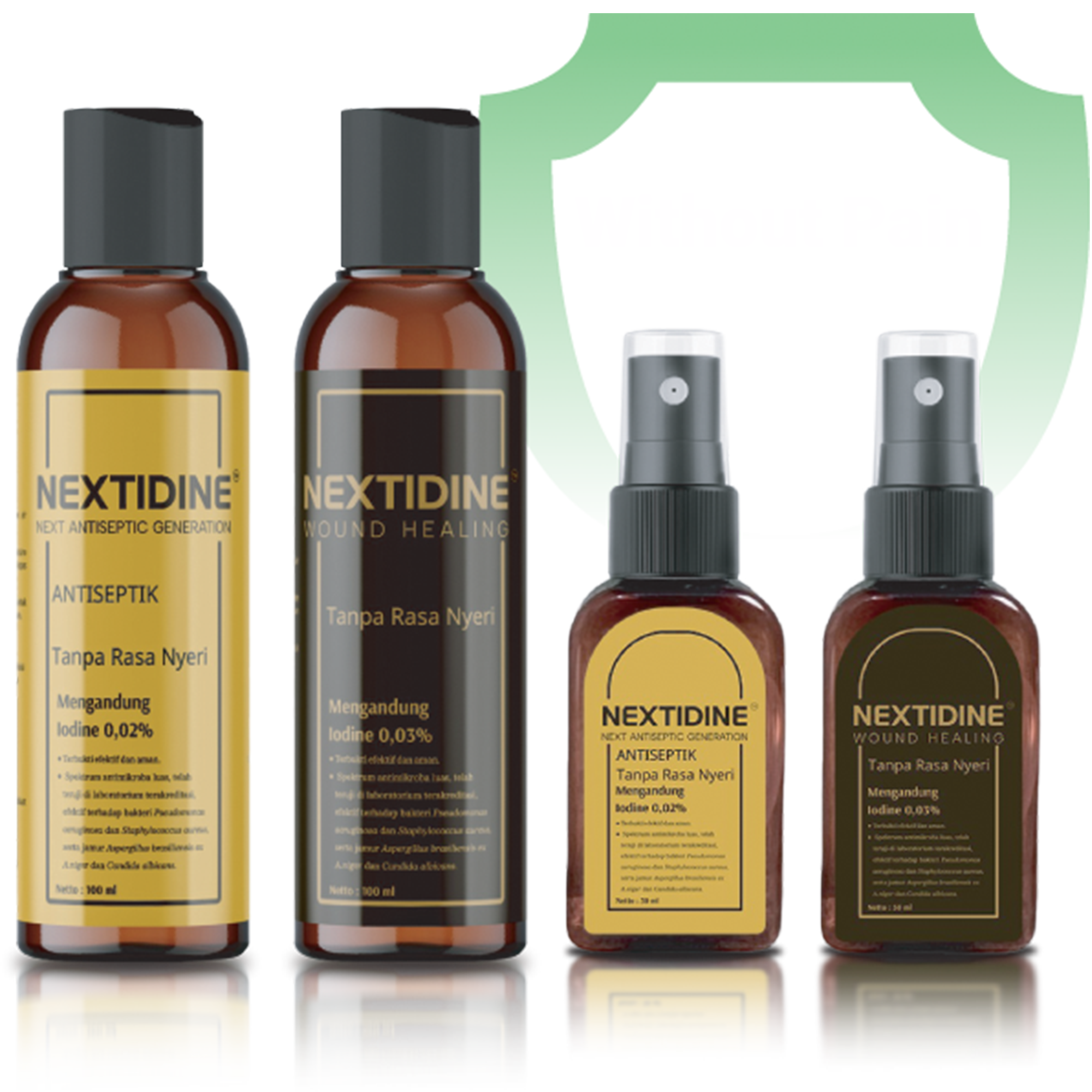
IODINE SOLUTION

NEXTIDINE

Next Antiseptic Generation

An antiseptic with strong antimicrobial activity and a broad spectrum of protection.

NEXTIDINE

Wound Healing

Accelerates wound healing.

Here to provide a solution….

IODINE SOLUTION

NEXTIDINE

Next Antiseptic Generation

An antiseptic with strong antimicrobial activity and a broad spectrum of protection.

NEXTIDINE

Wound Healing

Accelerates wound healing.

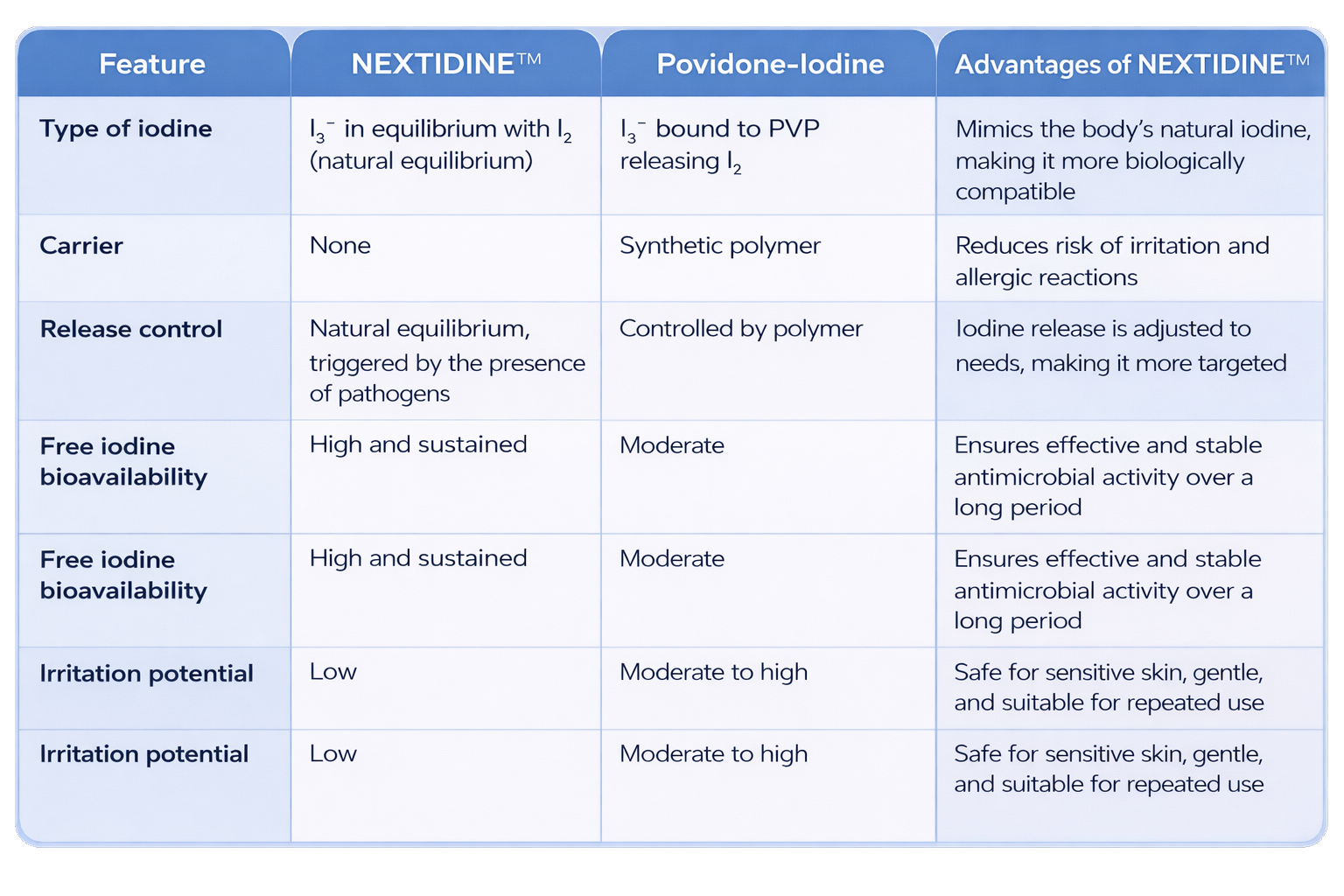
A New Hope: NEXTIDINE™ vs Povidone Iodine

A New Hope: NEXTIDINE™ vs Povidone Iodine

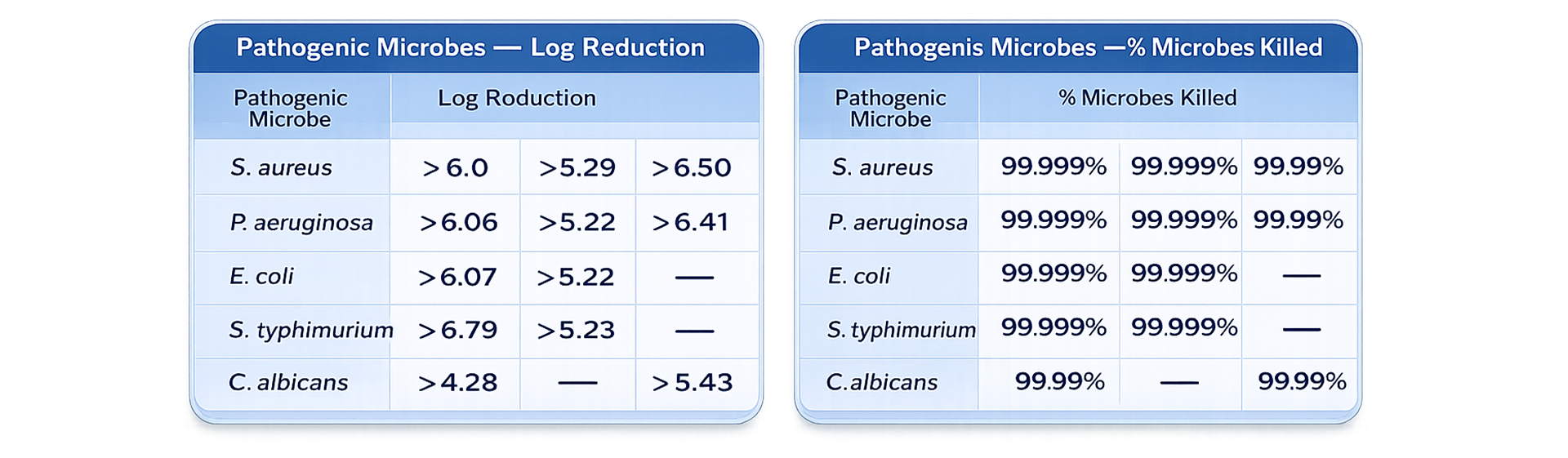
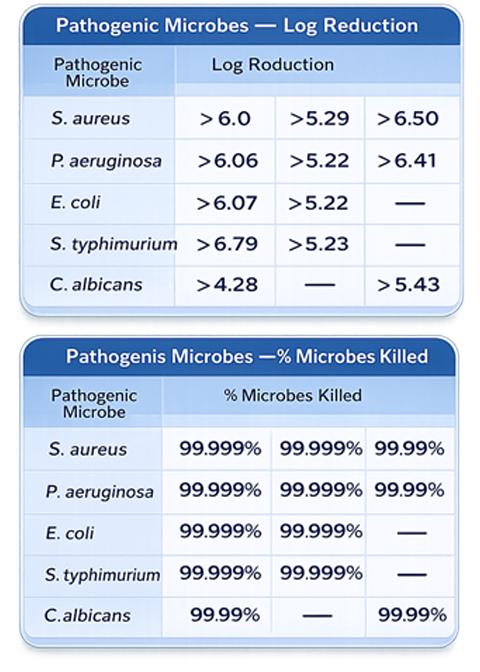
NEXTIDINE™ demonstrates antimicrobial efficacy of up to 99.999% against relevant pathogens within 30 seconds, showing a rapid onset of action and strong antimicrobial power.
An Antiseptic with Minimal Fibroblast Cytotoxicity,
Supporting Optimal Wound Healing

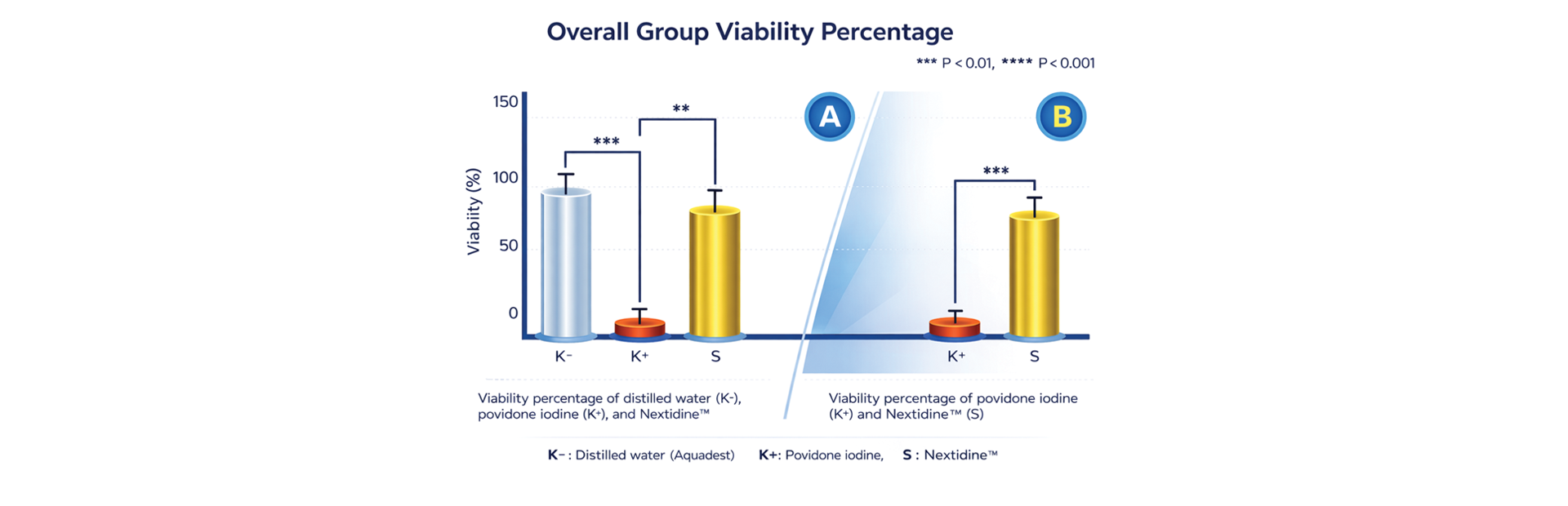
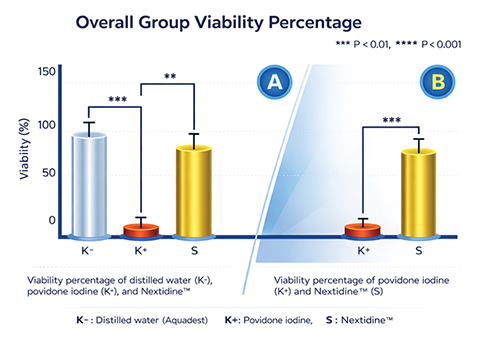
In an in vitro cytotoxicity test assessing the viability of human skin fibroblast cells, NEXTIDINE demonstrated cell viability comparable to the control group (fibroblasts without any sample). In contrast, the Povidone Iodine group showed the greatest reduction in cell viability compared to the other groups.
NEXTIDINE™ Supports Optimal Healing of Severe Wounds

Primary Objective:

To evaluate the effectiveness of NEXTIDINE™ in accelerating the wound healing process in patients with severe wounds.

Secondary Objectives:

  • To assess the safety and tolerability of NEXTIDINE™ use in patients
  • To examine the impact of NEXTIDINE™ in reducing infection rates, inflammation, and pain at the wound site
  • To evaluate improvements in patients’ quality of life related to the wound healing process
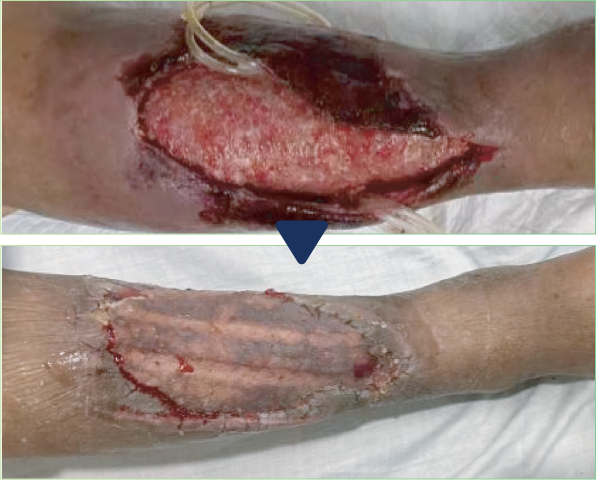
Use of NEXTIDINE™ in Patients with Severe Wounds

Case 1

A 57-year-old male experienced an insect bite one month prior, followed by a skin ulcer and purulent discharge on the anterior part of the right lower leg lasting more than one month, accompanied by swelling of the right calf and foot with edema. The wound measured 6 cm × 4 cm.

NEXTIDINE™:
A wet compress with NEXTIDINE™ was applied to eradicate Pseudomonas aeruginosa prior to skin grafting. On postoperative day 7, the wound showed significant healing improvement, and bacterial cultures remained negative.

Case 2

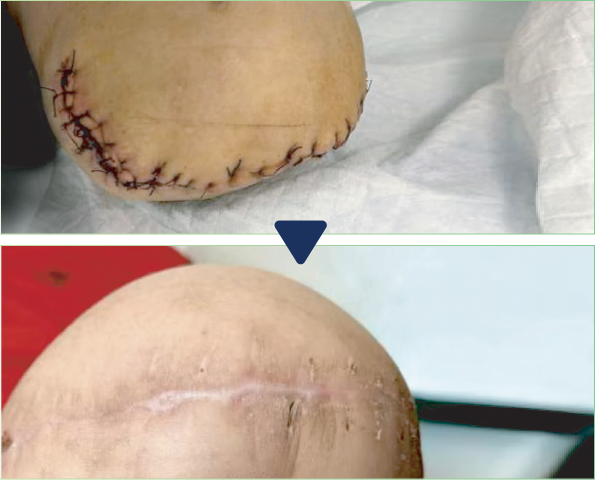
A 42-year-old male underwent limb amputation due to a diabetic foot ulcer accompanied by infection in the left foot and leg.

NEXTIDINE™:
After 5 days of treatment, a noticeable reduction in redness and swelling was observed. On postoperative day 14, the sutures were removed, and the incision wound showed good healing, indicating effective wound management.

Use of NEXTIDINE™ in Patients with Severe Wounds

Case 1

A 57-year-old male experienced an insect bite one month prior, followed by a skin ulcer and purulent discharge on the anterior part of the right lower leg lasting more than one month, accompanied by swelling of the right calf and foot with edema. The wound measured 6 cm × 4 cm.

NEXTIDINE™:
A wet compress with NEXTIDINE™ was applied to eradicate Pseudomonas aeruginosa prior to skin grafting. On postoperative day 7, the wound showed significant healing improvement, and bacterial cultures remained negative.

Case 2

A 42-year-old male underwent limb amputation due to a diabetic foot ulcer accompanied by infection in the left foot and leg.

NEXTIDINE™:
After 5 days of treatment, a noticeable reduction in redness and swelling was observed. On postoperative day 14, the sutures were removed, and the incision wound showed good healing, indicating effective wound management.

In Partnership With

Marketed by